Ag Brands Have A Strange Problem
Agriculture marketing has a strange problem. There’s no shortage of effort—brands are spending money, showing up at trade shows, running ads, posting on social media, and producing content. On paper, it looks like everything is working. But when you actually look at results—engagement, trust, and influence on buying decisions—most of it falls flat. Not because agriculture is hard to market, but because most ag marketing is still built on outdated assumptions about how farmers actually make decisions.
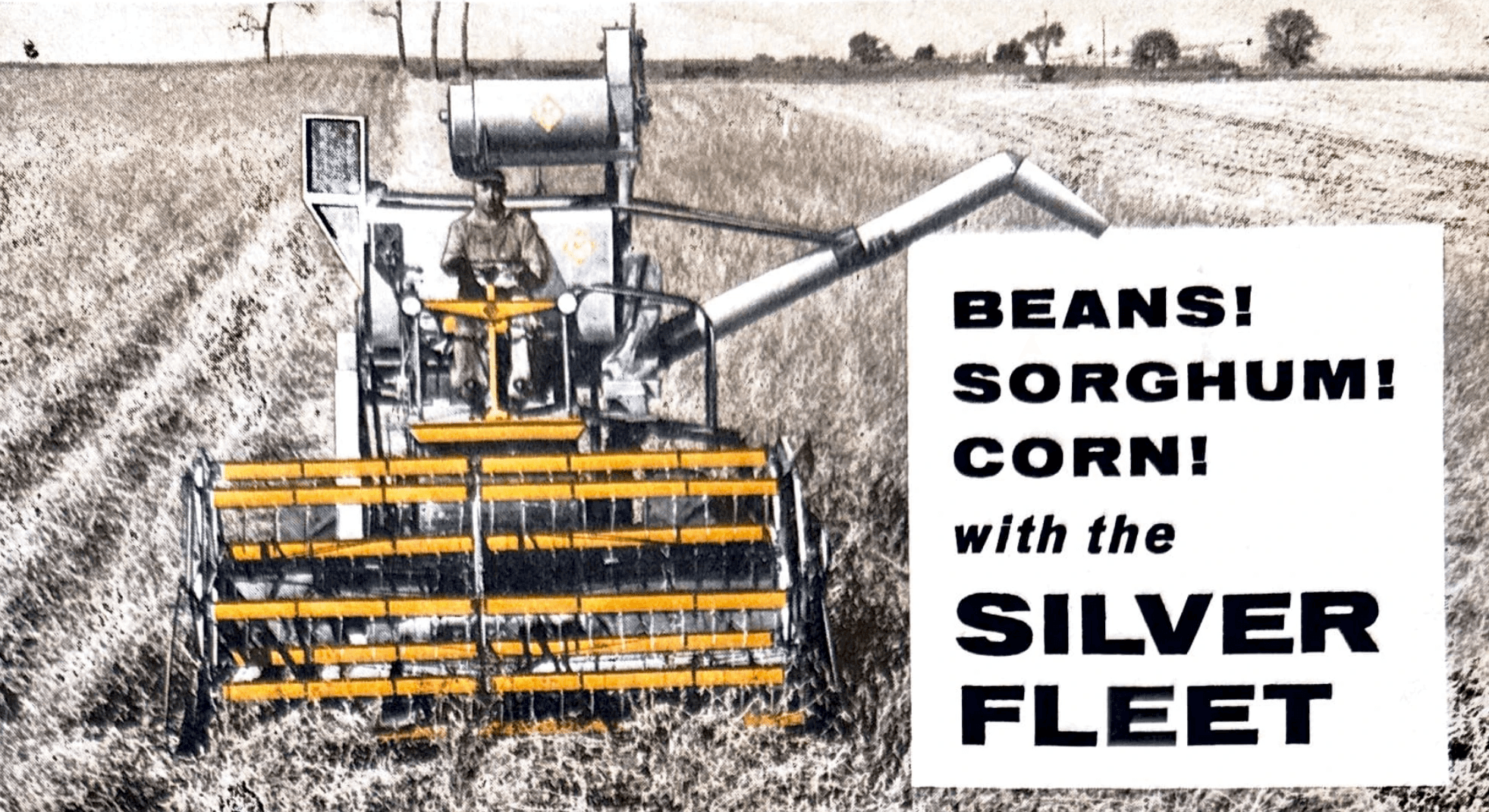
At its core, a lot of ag marketing is still operating like it’s decades behind. The model is simple: push a message out, repeat it often, and hope it sticks. That worked when information was limited and attention was controlled. Today, it doesn’t. Farmers aren’t relying on ads to learn about products anymore. They’re watching other farmers, listening to podcasts, following creators, and comparing real-world experiences. The shift isn’t subtle—it’s fundamental. And most marketing hasn’t caught up.
Part of the disconnect is that so much agriculture marketing still feels like it was written in a boardroom. It leans heavily on product features, technical specs, and carefully worded claims. But farmers don’t make decisions based on polished language. They base decisions on what worked last year, what their neighbors are seeing, and what they believe will hold up under real pressure. When marketing ignores that reality, it immediately feels off. You can sense when something sounds good but hasn’t actually been lived.
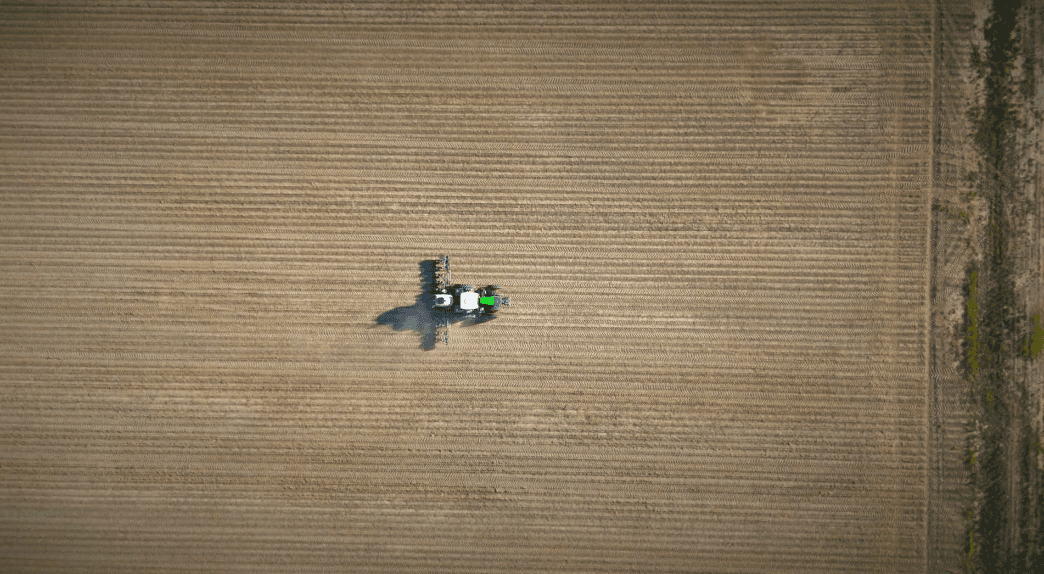
At the same time, there’s been a noticeable push toward better production quality in ag marketing. The visuals are sharper, the drone shots are smoother, the edits are cleaner. But too often, brands stop at looking better instead of saying something better. You end up with content that’s visually impressive but ultimately empty—no real insight, no takeaway, no reason to remember it. Farmers aren’t impressed by how something looks if it doesn’t teach them anything or reflect something real.
Another issue is that most ag marketing doesn’t reflect how farming actually works. Farming is unpredictable, messy, and rarely perfect, yet marketing almost always shows ideal conditions and flawless outcomes. That creates a credibility gap. Farmers know better. They know things don’t always go as planned, and when marketing only highlights best-case scenarios, it starts to feel disconnected from reality. What actually resonates are the details that feel true—what didn’t work, what changed mid-season, what surprised you, and what you’d do differently next time.
There’s also a structural problem in how content is approached. Many brands still think in terms of campaigns—launch something, push it for a few weeks, then move on. But that’s not how trust is built. Farmers don’t change behavior because of one video or one ad. It takes consistent exposure over time, across different platforms and moments. The brands that are gaining traction aren’t necessarily louder—they’re more consistent. They show up regularly, across seasons, and across formats. They’re not just running campaigns; they’re building content ecosystems.
Underlying all of this is a simple but important reality: attention has moved. It’s shifted from print to digital, from institutions to individuals, and from ads to content. Farmers are spending time on YouTube, TikTok, podcasts, and social feeds. But many brands are still allocating effort based on where attention used to be, not where it actually is now. That gap is where most ag marketing loses relevance.
When you look at what does work, the pattern is clear. It’s grounded in real experience, not claims. It focuses on people, not just products. It prioritizes consistency over one-off campaigns and education over promotion. It allows farmers to speak in their own voice and shows the process, not just the outcome. The result is content that doesn’t feel like marketing at all—it feels like recommendation. And in agriculture, that distinction matters more than anything.
Most ag marketing doesn’t fail because of a lack of effort or budget. It fails because it’s solving the wrong problem. Farmers don’t need more messaging—they need more meaning. The brands that understand that, and adjust how they communicate accordingly, are the ones that will actually break through.